

When it comes to invasions and political history in medieval India, it’s often Persian chronicles that dominate the conversation. Sanskrit literature, by contrast, is rarely imagined as a source for the experiences of ordinary people caught in the violence of war. For many readers, Sanskrit evokes gods and philosophers, courtly praise, and royal romances rather than cities under attack and communities gripped by fear. Yet hidden within the pages of a little-studied Sanskrit drama from the early thirteenth century lies a remarkably vivid account of such a catastrophe:
“The whole of Medapāṭa (modern Mewar in southern Rajasthan) has been burnt by Hammira’s warriors.”
The “Hammira” in question is none other than Sultan Iltutmish of Delhi, whose armies advanced into western India in the early decades of the 13th century. These words are spoken by Kamalaka, a royal spy, as he arrives at the court of King Viradhavala, the powerful Vāghelā ruler of Gūrjara-deśa (modern Gujarat), at Dhavalaka (modern Dholka). He brings devastating news from Mewar. The land has been overrun, its people slaughtered, and panic has spread everywhere. What follows is one of the most vivid literary descriptions of invasion to survive in medieval Sanskrit literature.
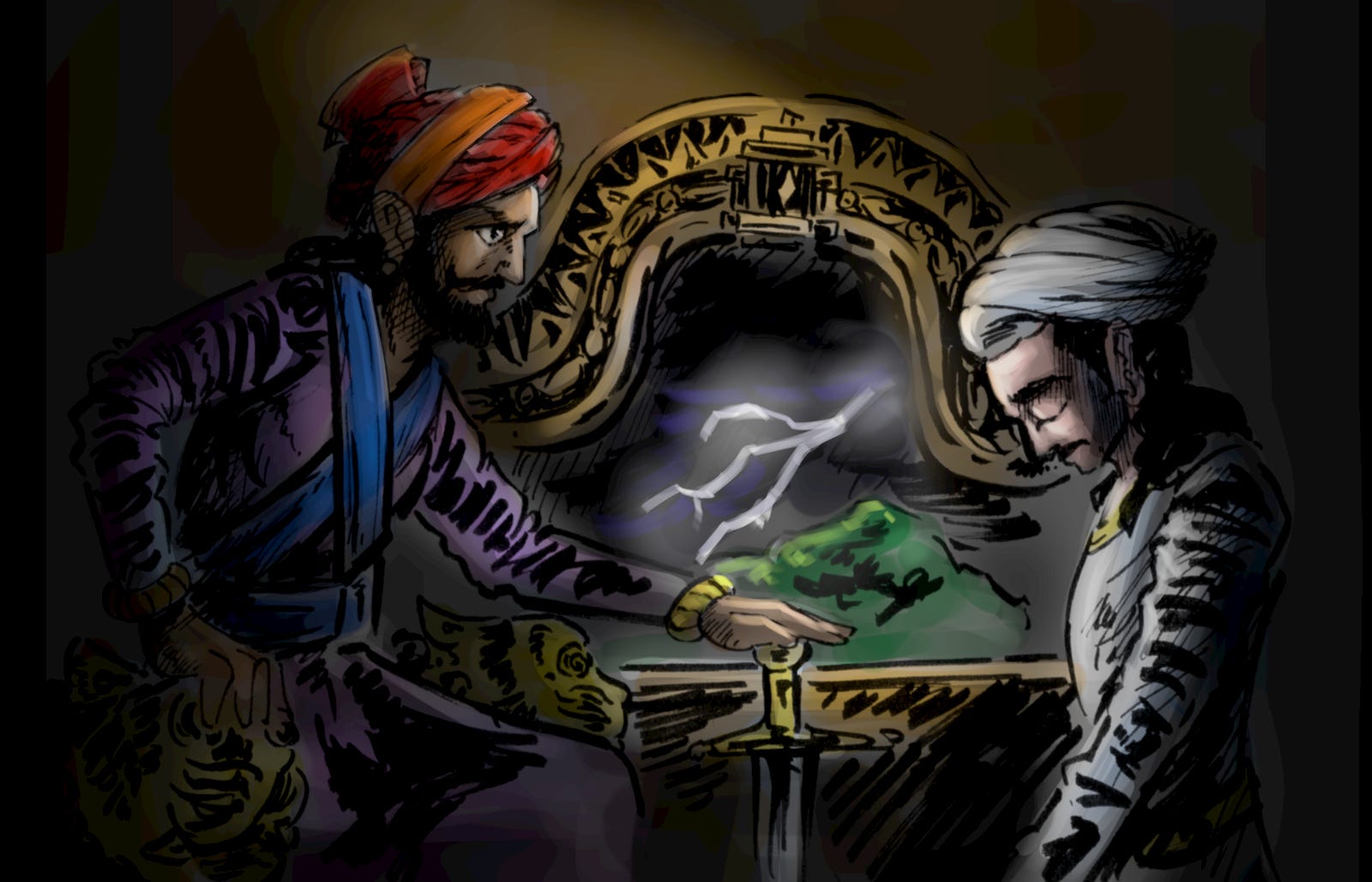
The scene appears in Hammiramadamardana (“The Crushing of Hammira’s Arrogance”), a Sanskrit drama composed around 1220 AD by the Jain poet Jayasiṃha Sūri. The title uses Hammira, the Sanskrit rendering of the Arabic title amir, as the name for Sultan Iltutmish.1 Although the play celebrates Viradhavala and his court, it preserves something rarer than the memory of a royal victory. It preserves the fear and uncertainty experienced by those who witnessed the invasion.
Kamalaka’s message is not a military report. He does not tell Viradhavala how many soldiers marched, how many forts were captured, or how much territory changed hands. Instead, he describes what the catastrophe looked like to those who lived through it. The Turkish warriors who entered Mewar seemed less like ordinary men than figures from a nightmare. Their eyes blazed like sparks from the fire that consumes the world at the end of time (pralaya). Their deep roars were so terrifying, Kamalaka says, that pregnant women miscarried at the sound. Shouting “Kill! Kill!” they swept across the land like a forest fire. The language is dramatic, but that is precisely the point. Kamalaka is not concerned with military details. He wants Viradhavala to grasp the terror that has engulfed Mewar. To the people of Mewar, the invaders did not merely appear dangerous. They seemed like Death personified entering the land.
It was through Kamalaka that the cries of Mewar reached Dholka, where Viradhavala and his trusted ministers, the Jain brothers Vastupāla and Tejaḥpāla, confronted the crisis. Remembered not only as accomplished administrators and diplomats but also as great patrons of temples, literature, and learning, the brothers occupy the centre of the drama. To understand why this drama tells the story in this way, we must first step into the world in which it was composed. That world was Gūrjara-deśa.
The World Behind The Drama
Gūrjara-deśa, roughly corresponding to modern Gujarat, was one of the wealthiest and most culturally vibrant regions of medieval India. From the 10th century onwards, it was ruled by the Caulukyas, better known as the Solankis, from their capital at Aṇahilapāṭaka (modern Patan). Their kingdom emerged as one of the foremost powers of western India and became renowned for its prosperity, artistic achievements, and patronage of learning.
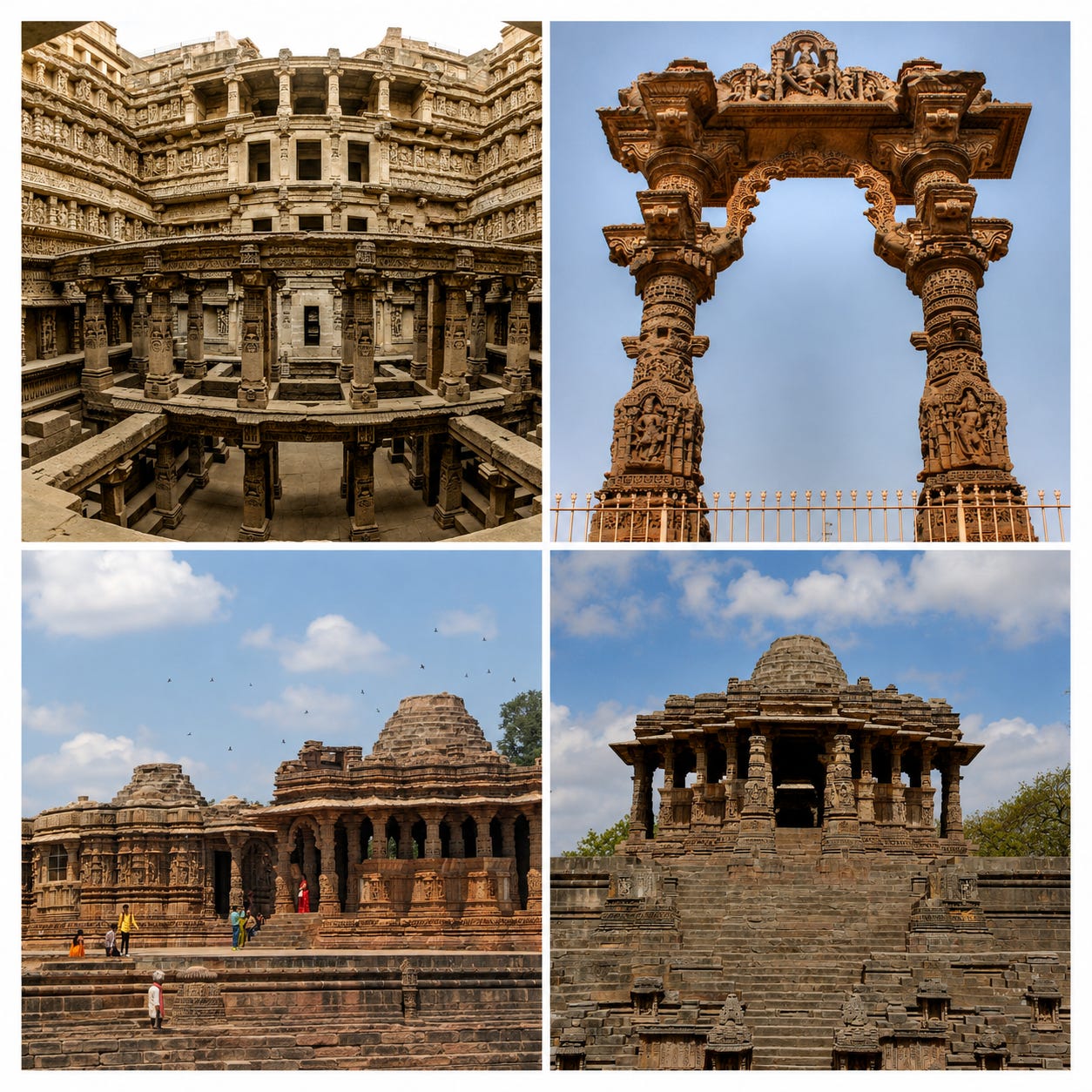
The Caulukya age produced some of the finest monuments of medieval India. The magnificent Rani ki Vav at Patan and the Sun Temple at Modhera still stand as enduring reminders of the dynasty’s architectural brilliance. The kingdom recovered from the famous raid of Maḥmūd of Ghazni under Bhima I and later flourished under Kumārapāla, whose reign became renowned for its patronage of Jainism, learning, and scholars such as the celebrated polymath Hemacandra.
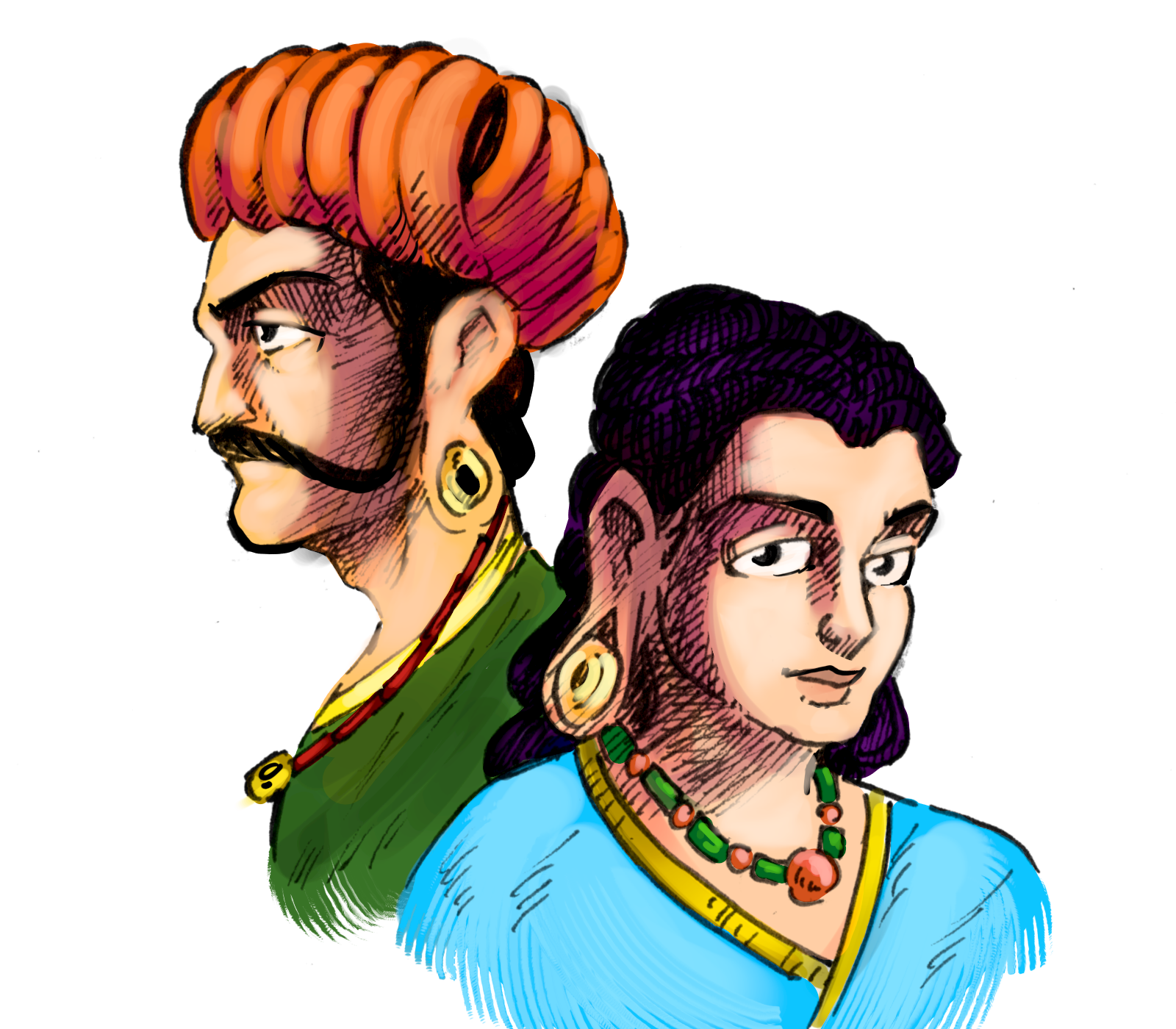
By the beginning of the thirteenth century, however, the political landscape had begun to change. Although the Caulukya king Bhima II still occupied the throne, much of the kingdom’s authority had passed into the hands of powerful feudatories. Among the most influential were Lavaṇaprasāda and his son Viradhavala of the Vāghelā family, who governed from Dholka and gradually became the dominant political force in Gujarat.2
Serving these Vāghelā chiefs were the celebrated Jain brothers Vastupāla and Tejaḥpāla. They were distinguished statesmen, skilled diplomats, and extraordinary patrons of religion, literature, and architecture. Their most famous monument, the Luna Vasahi temple at Mount Abu, remains one of the finest masterpieces of medieval Jain architecture. Even as political power shifted, Gujarat continued to flourish as a centre of artistic and intellectual life.3
It was in this world that Jayasiṃha Sūri lived and wrote. A disciple of Śri Vira Sūri, the ācārya of the Śri Suvrata temple at Bhṛgunagari (modern Bharuch), he belonged to Gujarat’s rich Jain intellectual tradition. His connection with Vastupāla and Tejaḥpāla began with an act of patronage. Seeking golden flags for the Jain shrine Śakunikāvihāra at Bharuch, he approached Tejaḥpāla, who fulfilled the request with the approval of his elder brother Vastupāla. Moved by their generosity and devotion, Jayasiṃha composed the Hammiramadamardana in their honour.4
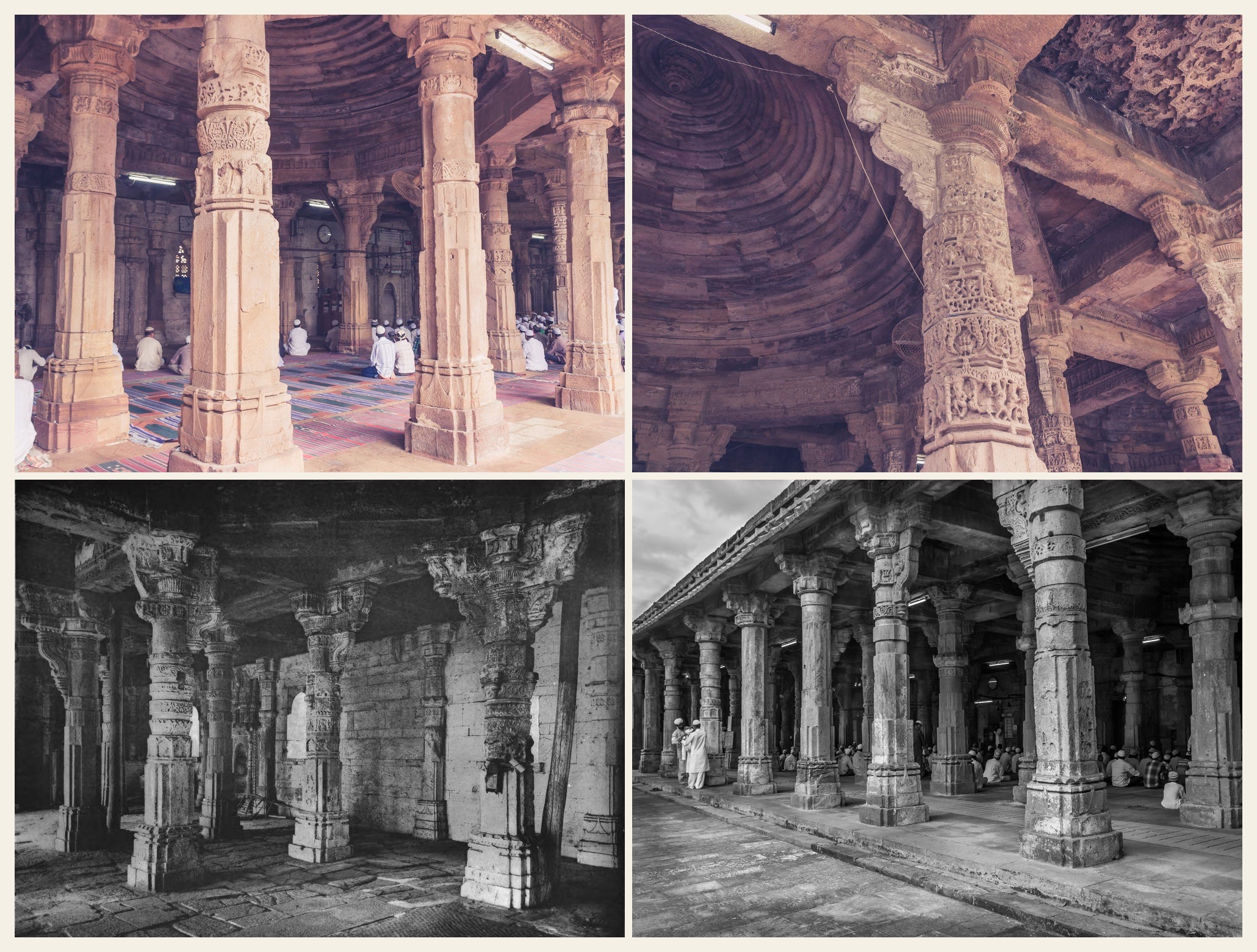
More than eight centuries have passed since then. The Śakunikāvihāra no longer survives as a Jain shrine, and a mosque now occupies the site. The drama, however, endured. Jealously preserved in Jain manuscript collections, the drama still offers one of the most vivid Sanskrit accounts of invasion to survive from medieval India. But Kamalaka’s terrifying report from Mewar is only the beginning of the story. To understand why the invasion unfolded as it did, we must first look at the political crisis facing Gūrjara-deśa in the 1220s.
The Storm Gathering Around Gujarat
In the early decades of the thirteenth century, Gūrjara-deśa occupied a strategic position in western India. To its north lay the expanding Delhi Sultanate. To the south stood the powerful Yādava kingdom of Devagiri. To the east were the Paramāras of Mālava. Surrounded by ambitious neighbours, Viradhavala’s court faced the prospect of war on several fronts.
The greatest threat came from Hammira, the Sultan of Delhi, whose armies were steadily advancing towards Gujarat. To the south, Siṃhaṇa, the ambitious Yādava ruler of Devagiri, had formed an alliance with Saṅgrāmasiṃha, the ruler of neighbouring Lāṭa and an old rival of the Vāghelās. From the east, Devapāla of Mālava added further pressure. Powerful enemies closed in from every direction, and the future of Gūrjara-deśa appeared deeply uncertain.
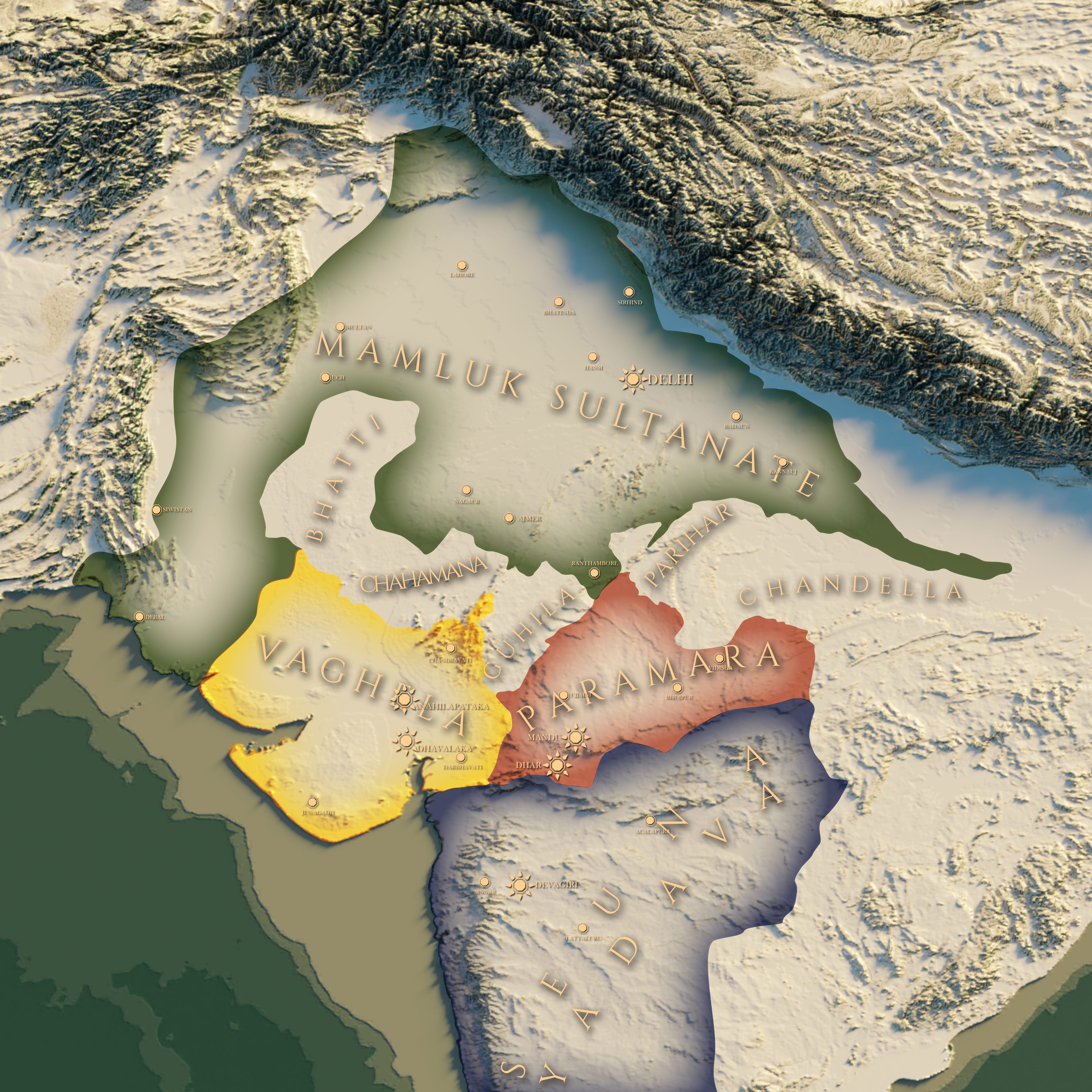
The crisis revealed Vastupāla’s greatest strength. He relied not only on armies but also on diplomacy. He secured the support of the rulers of Marudeśa (modern Marwar) and Saurāṣṭra, while numerous local chiefs rallied to Viradhavala’s side like streams flowing into the ocean, strengthening the power of Gūrjara-deśa. Vastupāla also turned diplomacy into a weapon. Through a network of spies, he sowed distrust between Siṃhaṇa and Saṅgrāmasiṃha. Their alliance soon collapsed. Fearing Siṃhaṇa’s growing power, Saṅgrāmasiṃha abandoned him and sought Viradhavala’s protection. Siṃhaṇa, in turn, redirected his attention towards Devapāla of Mālava. One by one, the coalition surrounding Gūrjara-deśa began to unravel. Only one danger remained. Hammira continued his march towards Gujarat, and the road to Gūrjara-deśa first passed through Medapāṭa. It was there that the full force of the invasion would first be felt.
Where Are The Warriors?
The diplomatic successes of Vastupāla could not prevent Hammira’s army from reaching Mewar. The ruler of Mewar, Jayatala (also called Jaitrasiṃha), had chosen not to join Viradhavala’s alliance. Isolated from Gujarat’s coalition, his kingdom was left to face Hammira’s advance alone. As the invading army swept through the region, Mewar suffered a catastrophe that became the darkest memory of an invasion preserved in the Hammiramadamardana.
Returning to Viradhavala’s court, the royal spy Kamalaka reported the devastation that had unfolded in Mewar. Faced with Hammira’s advance, Jayatala fled the battlefield.5 With their ruler gone, the people of Mewar were left to confront the invading army alone. Kamalaka’s account is striking because it is not concerned with the movements of armies or the fate of kings. Instead, it turns our attention to ordinary people caught in the violence of war. Children, cowherds, brāhmaṇas, cows, and women are all said to have been slaughtered without distinction. Amid the carnage, the terrified people cried:
“Protect us! Protect us! Run! Run! All the people are being killed by these scoundrels, as if they are the very presiding deities of death. Nowhere in the three worlds does even a single spark of a kṣatriya flare up. The rasa of courage smiles in no one’s heart. The glory of valour has fallen into some blind well!”
Fear and helplessness now dominate the narrative. Kamalaka repeatedly returns to one painful question: where were the kṣatriyas, whose duty was to protect society? At this point the manuscript itself has suffered damage. About six lines of the play, each containing roughly forty-five letters, have disappeared because the ink has faded. Yet when the text becomes legible again, the cries of the people continue without interruption:
“Surely this goddess Earth now bears no offspring of warriors! No kṣatriya woman, anywhere, has given birth to a son who grieves at the sufferings of others!”
Kamalaka’s account then takes an even more painful turn. Despite these desperate cries, not a single young kṣatriya stepped forward. No one, with limbs throbbing with eagerness, rushed out to defend the people. The silence of those expected to protect society becomes almost as haunting as the violence itself. Mewar, abandoned by its ruler and without defenders, was left to endure the invasion alone.
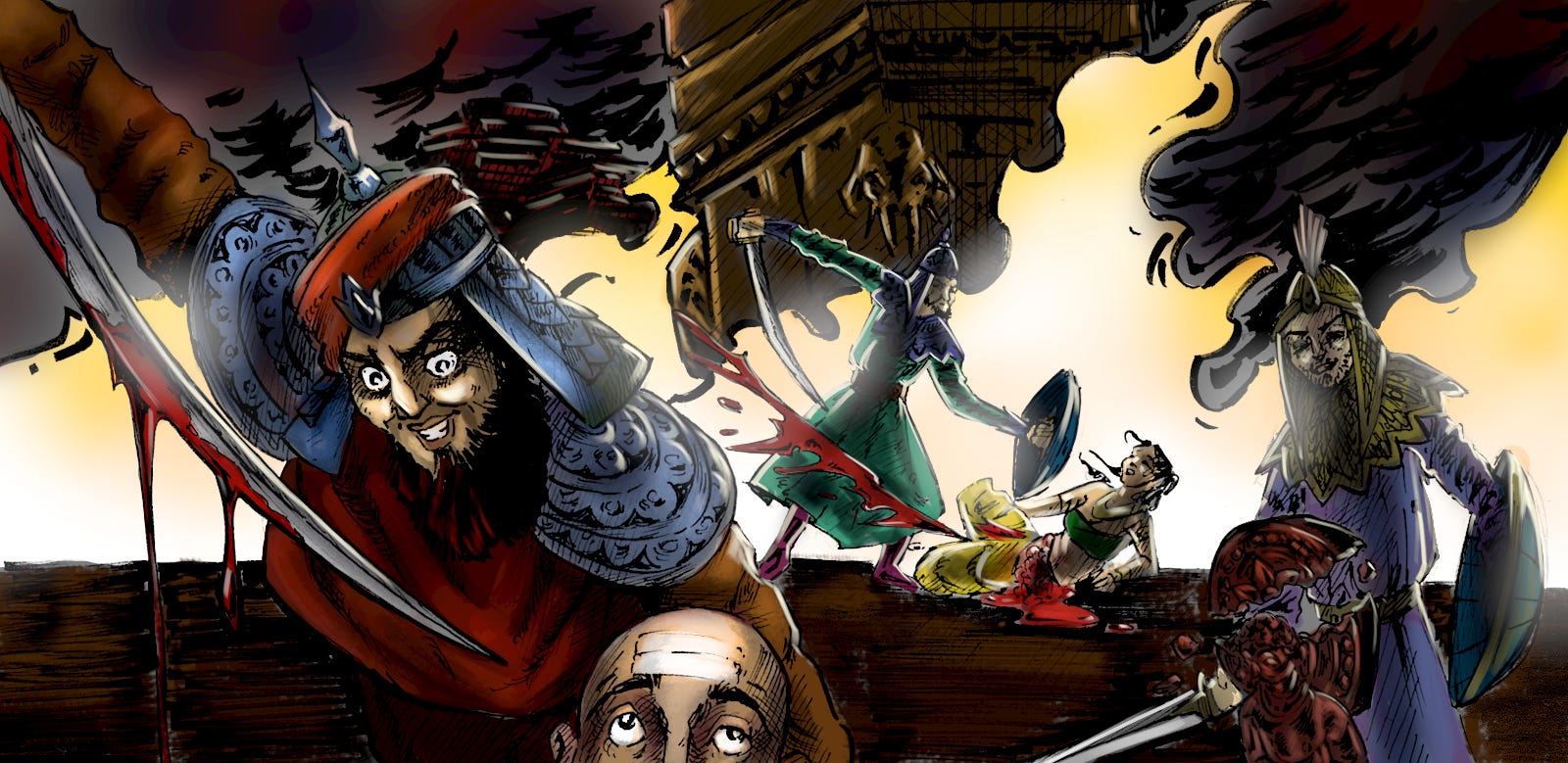
Kamalaka’s description now becomes even more graphic:
“The men of Hammira, without the slightest fear in their hearts, tore through people’s bellies with sharpened swords and drank the gushing wine of blood. Chunks of liver became relishes to savour it. Their beards and hair were stained with blood. Out of sheer terror of those impure-birth men, the people cried out: ‘O father! O son! O beloved! O fawn-eyed girl! O brother! O sister! O warrior! O good lord!’ Thus, among the distraught people, cries rang out to one another. Whose heart did not split at such cries?”
The imagery is deliberately shocking. Rather than merely recording that people were killed, Kamalaka dwells on the horror of the violence and the grief of families torn apart. The repeated cries of fathers, mothers, children, brothers, and sisters transform the account from a description of battle into a lament for an entire community.
The horror did not end with the slaughter. Kamalaka goes on to describe the desperate choices people made when every hope of escape had vanished. Some believed that death at the hands of men they regarded as impure offered no blessed course (gati) beyond this life. Rather than meet such a fate, husbands and wives leapt into wells with their crying children tied around their necks. Others, believing that there could be no gati without cremation, set fire to their own houses, crowded with their families, and entered the flames themselves. Still others, unable to bear the slaughter of their loved ones, placed nooses around their necks and took their own lives even as their families cried out.
Yet Kamalaka’s account does not end in despair. If kings and professional warriors had failed, ordinary people did not. In the midst of the enemy’s sword blows, some men threw themselves forward to shield their wives, who had rushed to protect their terrified children. Others, filled with the rasa of righteous anger, hid their weeping families behind them and, with bodies aflame with defiance, plunged into the ocean of enemy troops, becoming like sparks of the submarine fire (vaḍavāgni). Heroism, the play suggests, belonged not only to kings but also to nameless men and women whose courage survived only in memory.
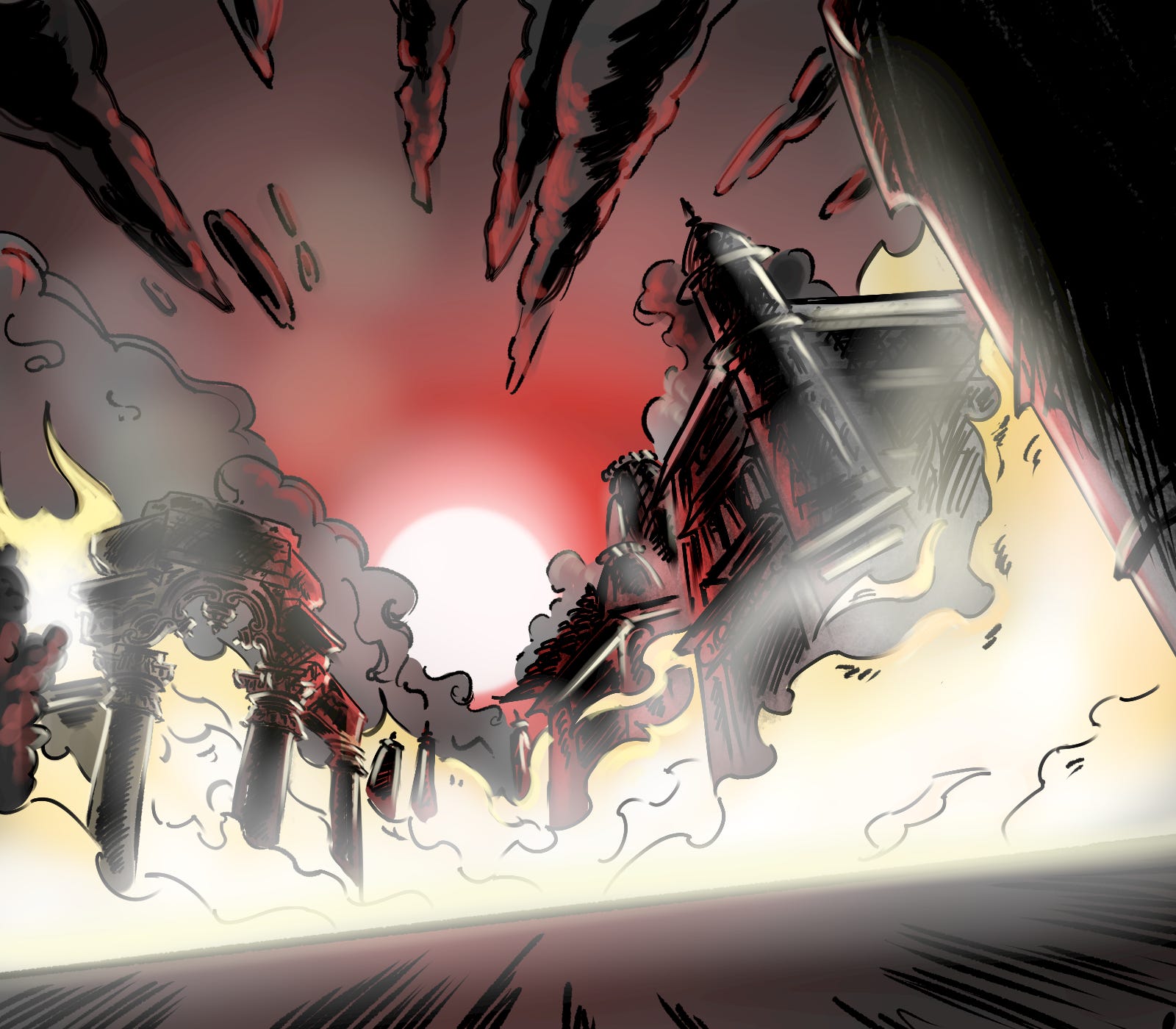
Moved by such courage, Viradhavala offers his own reflection on who truly deserves to be called a warrior:
“When valiant men grow fearful,
when the king himself is broken,
when fame has sunk,
he who, seeing the people stricken with terror,
leaps toward the enemy with energy,
even when restrained by friends, kinsmen, and wife,
he alone is a warrior.”
The play’s definition of heroism is striking. A true warrior is not simply one who bears arms or occupies a throne. He is the one who chooses to protect others when everyone else has lost heart.
Then came the voices of children left behind in the chaos.
“Mother, mother, I will also come with you!” some called out. “Mother, where are you going, leaving me hungry and thirsty?” others cried. “Father, you always take me with you into the city. Why are you leaving me today?”
When Hammira’s warriors began to slaughter even the children, Kamalaka, disguised among the Turuṣka soldiers and moved by compassion, shouted aloud:
“Run! Run! Viradhavala, the lord whose valour spans the three worlds, has arrived to protect the people!”
The deception worked. Already fearful of Viradhavala’s reputation, the attackers scattered in every direction, allowing the children to escape. It is a fitting conclusion to Kamalaka’s narrative. The same spy who first brought news of the catastrophe also became the means by which innocent lives were saved. But the story does not end with the drama. Did anyone outside the play remember the destruction of Mewar?
Pura-Bhanga: The Breaking Of A City
The answer appears in stone. The Chirwa inscription of 1273 CE, issued during the reign of Samarasiṃha, the grandson of Jayatala, remembers an earlier conflict with a Sultan (suratrāṇa). Composed barely two generations after the events, it preserves an independent memory of the invasion and lends historical weight to the literary account preserved in the Hammiramadamardana.
The Chirwa inscription remembers the event with a single but evocative expression: pura-bhaṅga, literally, “the breaking of a city.”6 In Sanskrit literary usage, the phrase means far more than a military defeat. It evokes the destruction of an entire city under attack. The Kāvyaśikṣā of Vinayacandra Sūri (c. 1225–1275 CE) explains such a scene in striking terms:
The fort is being made to fall. The palaces are being burnt down. Hundreds of trees are being broken. Ponds are being destroyed. The people, adorned with cosmetics and necklaces and afraid of being captured by enemies, leap into wells carrying their children.7
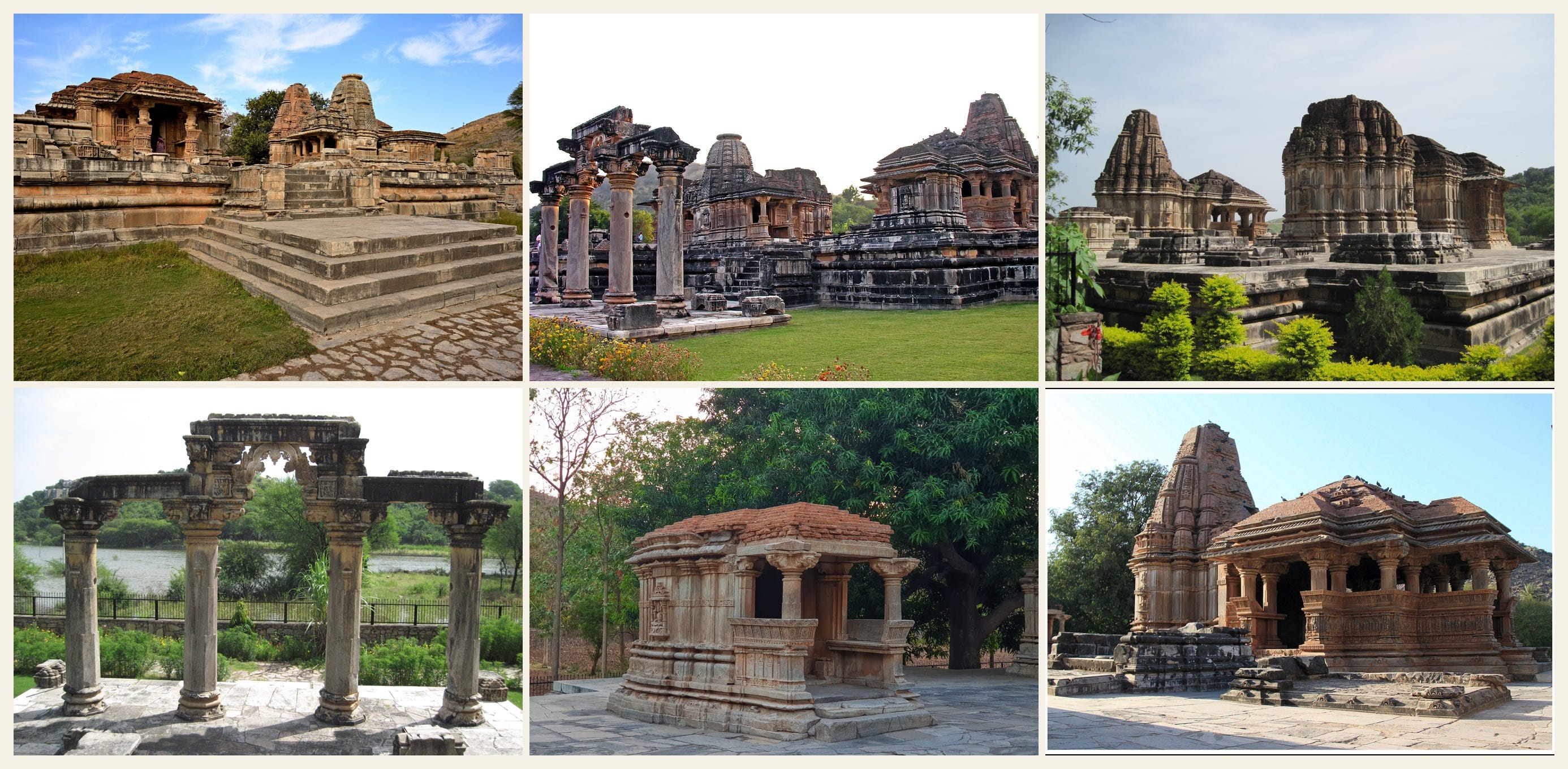
The similarities with the Hammiramadamardana are remarkable. The inscription does not repeat Kamalaka’s dramatic narrative, nor does it recount the horrors of the invasion in detail. Yet both sources preserve the memory of the same catastrophe. One remembers it in stone, the other in literature. Together they show that the sack of Mewar was remembered long after the invasion itself ended.
What makes the Hammiramadamardana especially remarkable, however, is not simply that it remembers the invasion. Medieval Sanskrit inscriptions and literary works often describe conflicts with Muslim rulers. Many of these sources emphasise the desecration of temples, the suffering of brāhmaṇas, or the disruption of Vedic rites. As historian Cynthia Talbot has observed, these themes recur in several early fourteenth-century Andhra inscriptions.8
The Hammīramadamardana, however, takes a noticeably different approach. Rather than dwelling on the destruction of temples, the disruption of Vedic rituals, or the concerns of religious institutions, Kamalaka’s account lingers over the suffering of ordinary people. Frightened families, abandoned children, mothers, fathers, cowherds, brāhmaṇas, and other townspeople occupy the centre of the narrative. Whether this distinctive perspective reflects Jayasiṃha Sūri’s own Jain background cannot be stated with certainty. Yet it is striking that the play presents the invasion not merely as a political or religious crisis, but as a profoundly human tragedy. In doing so, the Hammiramadamardana preserves something rarely encountered in medieval Sanskrit literature: not merely the memory of an invasion, but the memory of how that invasion was experienced by ordinary people.
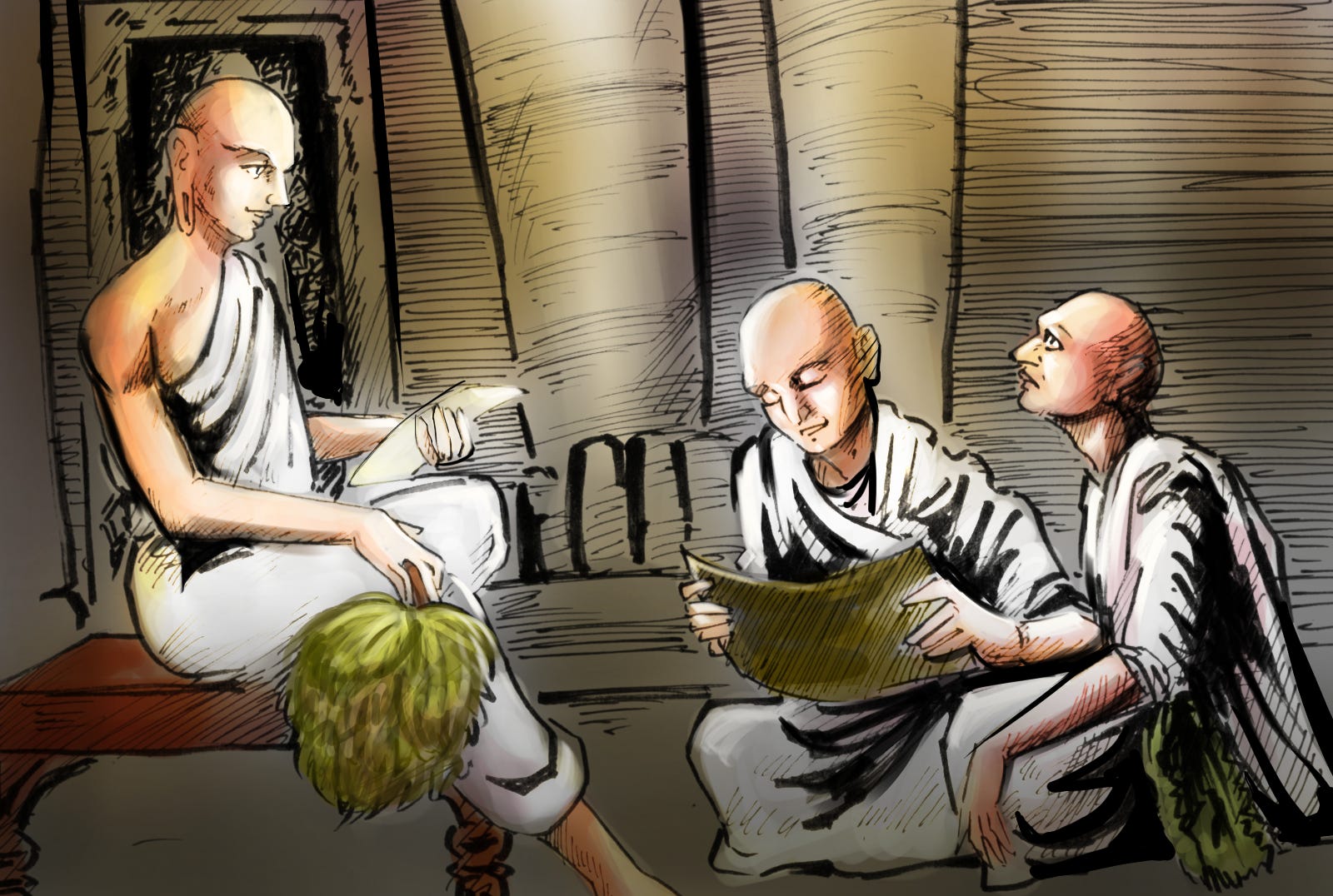
Crushing Hammīra’s Arrogance
The suffering of Mewar does not mark the end of the story. According to the drama, it strengthens Viradhavala’s resolve to confront Hammira and defend Gūrjara-deśa. The political ground for this response had already been prepared by Vastupāla through diplomacy and carefully forged alliances.
The play’s most dramatic episode centres on a daring espionage mission. Tejaḥpāla’s spy, Śighraka, disguises himself as an agent connected with Khapparakhāṇa, a figure whose exact identity remains uncertain. He is said to travel to Bagadādi (Baghdad), where he convinces the Caliph that Hammira has defied his authority. Enraged, the Caliph issues a written order commanding that Hammira be brought before him in fetters. Carrying this order, Śighraka approaches Khapparakhāṇa as the Caliph’s messenger, setting in motion the final blow against Hammira.
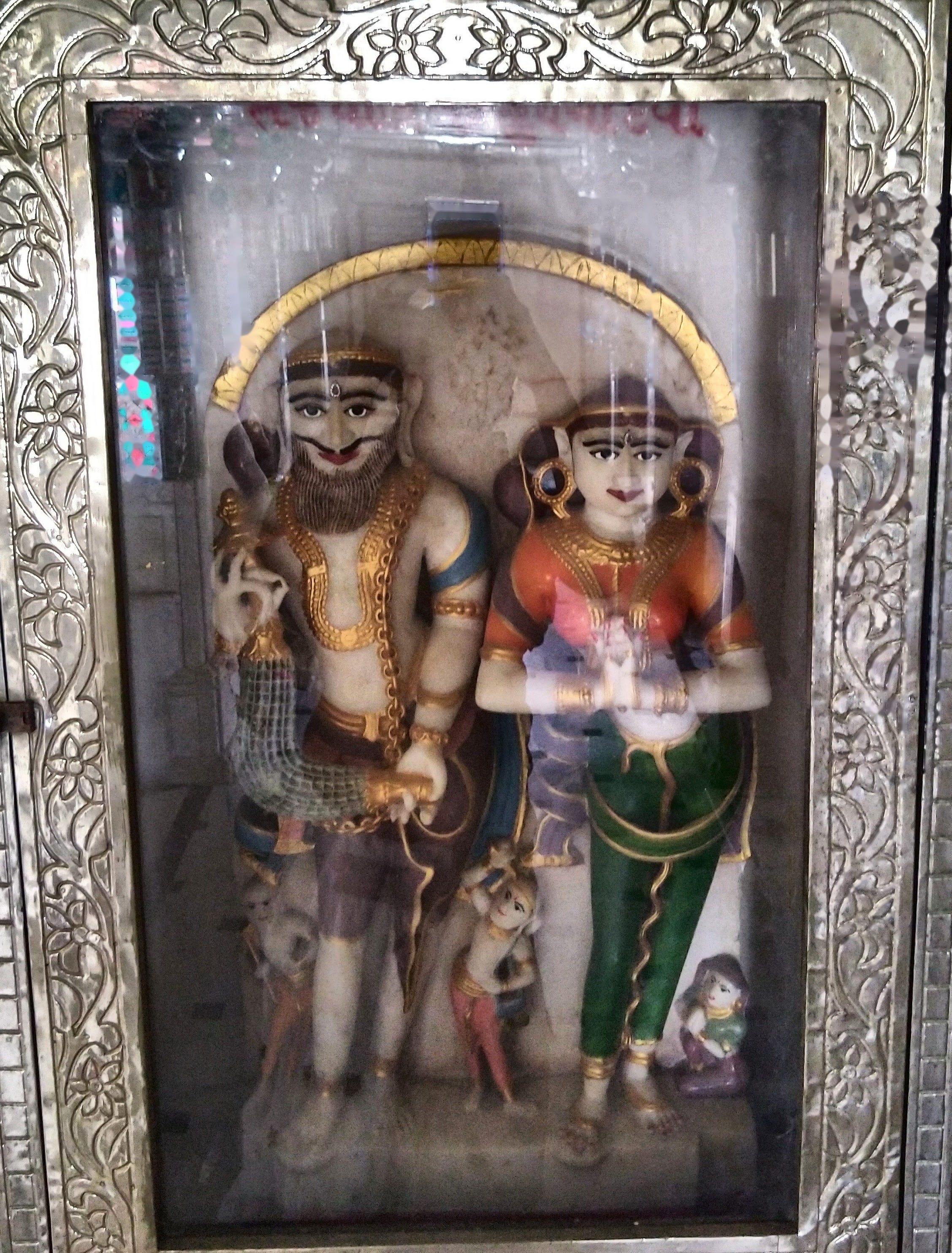
Whether this remarkable episode preserves any historical memory is impossible to determine. No known contemporary source records such a mission, and the journey to Baghdad is almost certainly a literary embellishment. Yet the episode reveals how the playwright understood power. Intelligence, diplomacy, and political strategy, rather than military strength alone, are presented as the means by which even a formidable enemy could be overcome.
The strategy succeeds. Khapparakhāṇa’s forces advance from one direction while Viradhavala marches from another, leaving Hammira trapped between two enemies. As the armies close in, Viradhavala challenges his adversary:
“By the grievous sins of destroying women’s unborn children,
brāhmaṇas, and temples,
Hammira has caused immense suffering.
Bent upon a miserable destiny,
does he not seek expiation
by bathing at the tīrtha
of the edge of my sword?”
The challenge is revealing. Viradhavala condemns Hammira not merely as a political rival but as one who has violated the moral order through violence against the innocent and the sacred.
The drama concludes with Hammira’s flight from the battlefield, fulfilling the promise of its title, Hammiramadamardana (“The Crushing of Hammira’s Arrogance”). The historical basis of this episode remains uncertain. Contemporary Persian chronicles do not mention a defeat of Iltutmish in Mewar or Gujarat. Some modern historians have suggested that this silence may reflect an unsuccessful expedition that ended in withdrawal rather than victory, but the evidence remains inconclusive.9 Like many courtly dramas, the Hammiramadamardana undoubtedly reshapes historical events into a literary celebration of its royal patrons.
Why This Drama Still Matters?
The Hammiramadamardana is undoubtedly a courtly drama. It celebrates Viradhavala and honours Vastupāla and Tejaḥpāla. Yet it also preserves something rarely encountered in medieval Sanskrit literature: an extended literary portrayal of how invasion was experienced by those caught in its path. At the same time, it advances a political vision. The rulers of Marudeśa, Mewar, Gūrjara, Mālava, Lāṭa, and Devagiri are portrayed as divided and often in conflict with one another. Within the world of the drama, the fate of Mewar illustrates the dangers of political disunity, while diplomacy and cooperation are presented as the surest means of resisting external threats.
More than eight centuries later, the Hammiramadamardana remains remarkable not simply because it remembers an invasion, but because it imagines what invasion felt like for those who experienced it. Through Kamalaka’s voice, the drama preserves fear alongside courage, grief alongside political ambition, and the suffering of ordinary people alongside the deeds of kings. Whether every scene reflects historical fact or literary imagination, the play offers one of the most powerful portrayals of war in medieval Sanskrit literature. That is what makes this forgotten Sanskrit drama worth reading even today.
━━━━⊱⋆⊰━━━━
Alok Kumar is from Varanasi, Uttar Pradesh, India. He holds a postgraduate degree in Sanskrit from Chinmaya Vishwa Vidyapeeth, Ernakulam, and is currently a Research Fellow at the Chinmaya International Foundation. His research focuses on Sanskrit literature, particularly historical kāvyas, Sanskrit drama, Indian poetics, and the study of unpublished and lesser-known Sanskrit texts and manuscripts.
Further Reading
Hammiramadamardana of Jayasiṃha Sūri, ed. Chimanlal D. Dalal, Central Library, Baroda, 1920.
B. J. Sandesara, Literary Circle of Mahāmātya Vastupāla and Its Contribution to Sanskrit Literature, Bharatiya Vidya Bhavan, 1953.
Asoke Kumar Majumdar, Chaulukyas of Gujarat: A Survey of the History and Culture of Gujarat from the Middle of the Tenth to the End of the Thirteenth Century, Bharatiya Vidya Bhavan, 1956.
Gulab Chandra Choudhary, Political History of Northern India from Jain Sources (c. 650 A.D. to 1300 A.D.), Sohanlal Jaindharma Pracharak Samiti, 1954.
Basile Leclère, “Ambivalent Representations of Muslims in Medieval Indian Theatre,” Studies in History 27, no. 2 (2011): 155–195.
Basile Leclère, “Ambivalent Representations of Muslims in Medieval Indian Theatre,” Studies in History 27, no. 2 (2011): 155–195, here 180–181.
For an overview of the Caulukyas of Gujarat, see Asoke Kumar Majumdar, The Chaulukyas of Gujarat: A Survey of the History and Culture of Gujarat from the Middle of the Tenth to the End of the Thirteenth Century (Bombay: Bharatiya Vidya Bhavan, 1956).
See B. J. Sandesara, Literary Circle of Mahāmātya Vastupāla and Its Contribution to Sanskrit Literature (Bombay: Bharatiya Vidya Bhavan, 1953).
See p. v of the introduction to Hammiramadamardana of Jayasiṃha Sūri, edited by Chimanlal D. Dalal (Baroda: Central Library, 1920). See also the Vastupāla-Tejaḥpāla-praśasti, verses 64–69, published in Appendix I of the same edition.
The Chirwa inscription (1273 CE) of Samarasiṃha, grandson of Jayatala, refers to Jayatala’s encounter with a mleccha ruler, stating that his pride was never humbled by the lord of the mlecchas: “mlecchādhipenātha kadāpi māno mlāniṃ na ninyevanipasya yasya.” See Gulab Chandra Choudhary, Political History of Northern India from Jain Sources (c. 650 A.D. to 1300 A.D.) (Amritsar: Sohanlal Jaindharma Pracharak Samiti, 1954), 175. See also Bernhard Geiger, “Chirwa Inscription,” Vienna Oriental Journal 21 (1907): 143–162, especially verse 6.
See verse 16 of the Chirwa inscription. For discussion of this verse and its historical significance, see Basile Leclère, “Ambivalent Representations of Muslims in Medieval Indian Theatre,” Studies in History 27, no. 2 (2011): 155–195, n. 12, p. 158.
See Vinayacandra Sūri, Kāvyaśikṣā, verses 4.140–141, edited by Hariprasad G. Shastri (Ahmedabad: Lalbhai Dalpatbhai Bharatiya Sanskriti Vidyamandira, 1964). Translation is mine.
See Cynthia Talbot, “Inscribing the Other, Inscribing the Self: Hindu-Muslim Identities in Pre-Colonial India,” Comparative Studies in Society and History 37, no. 4 (1995): 692–722.
Basile Leclère, “Ambivalent Representations of Muslims in Medieval Indian Theatre,” Studies in History 27, no. 2 (2011): 155–195, here 159 n. 13.
There is similar one in South also. Gangadevi wrote Madhura Vijayam, and much of it is lost. We have lost the complete version, and two copies found in Trivandrum are the source.
Though her command over Sanskrit is considered extraordinary, the work never got the glory it deserved.
She writes about atrocits by invading Sultanate left behind by Malik Kafur exhorting the King to remove the Sultanate.
A good part of Indian literature(regional or Sanskrit) is not visible yet to masses. Interestingly we have accounts of Richard the Lionheart (the english king), where in 1187 he hears the harrowing account of Muslims retaking Jerusalem and the carnage that followed by Archbishop and decided to go on Crusade. His Crusades became some of founding national legends of later British identity and English as a nation and whole institutions are dedicated to studying it still today. We have many such accounts of resistance (much more justifed as we were on our own land) which, honestly forget getting individual institutional focus, they are rarely brought in mass consciousness.